ズワイ蟹懐石「集い」
Gathering
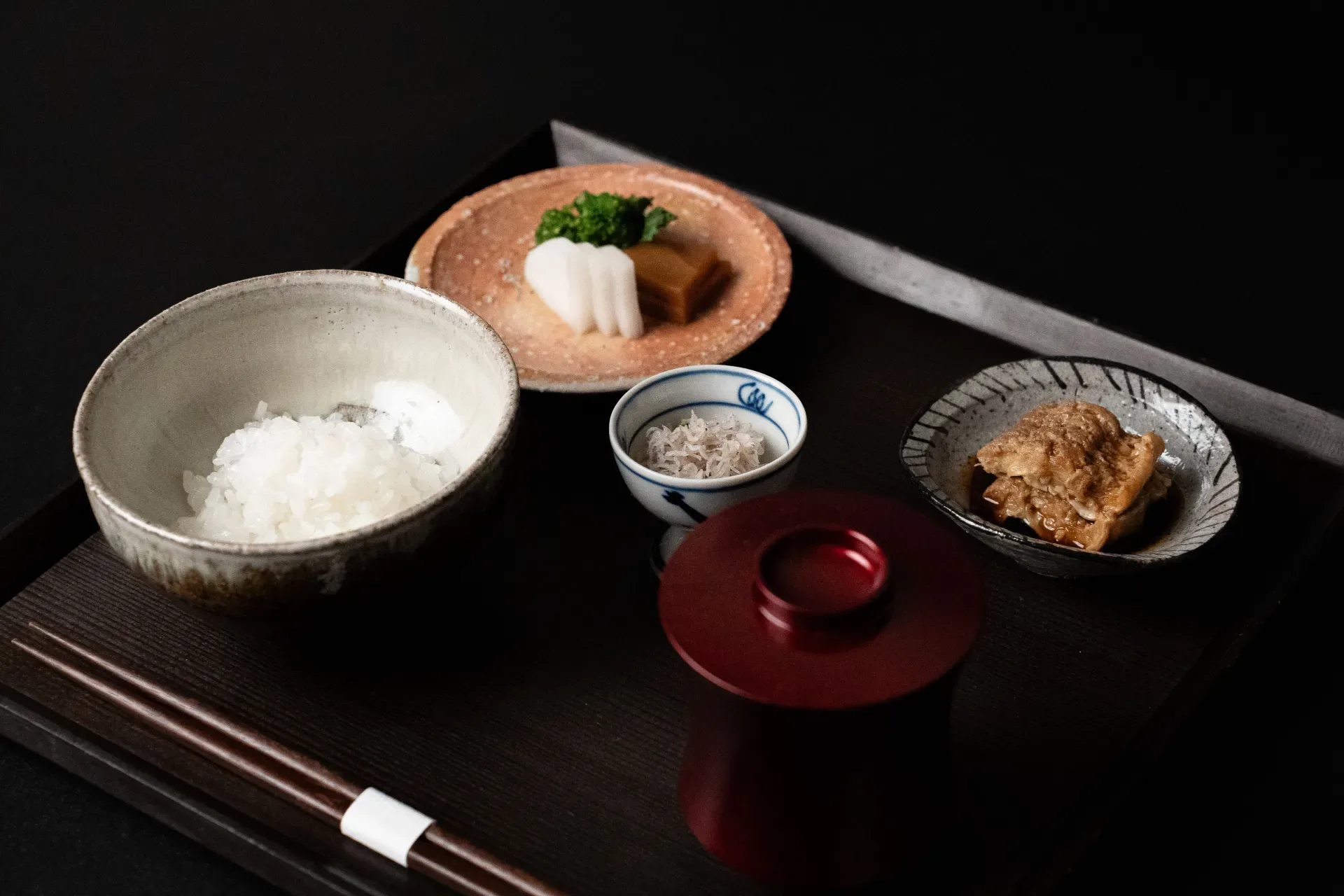
Snow crab kaiseki
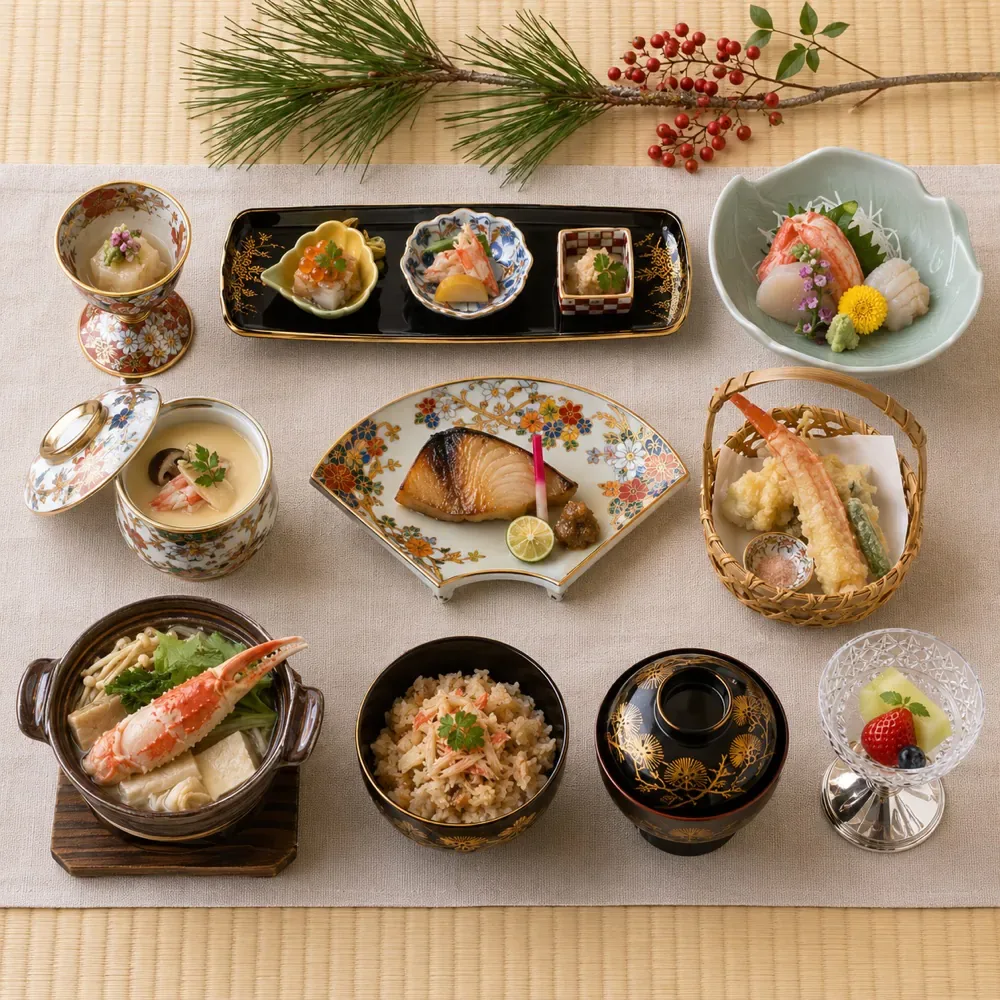
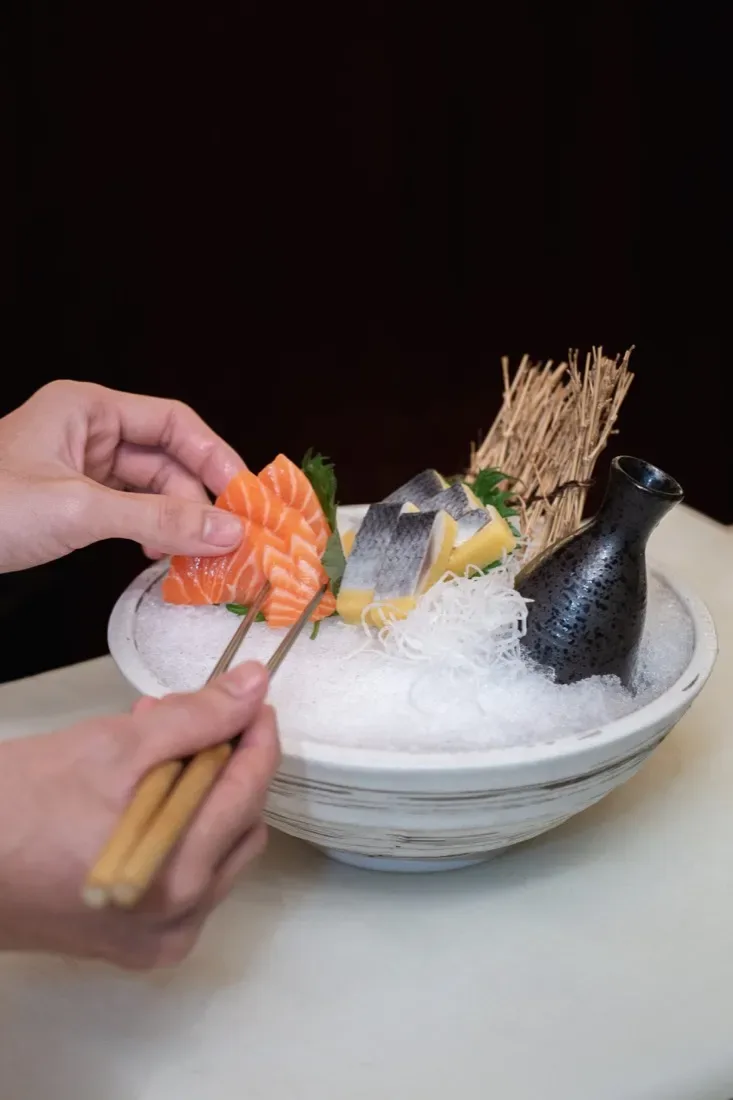
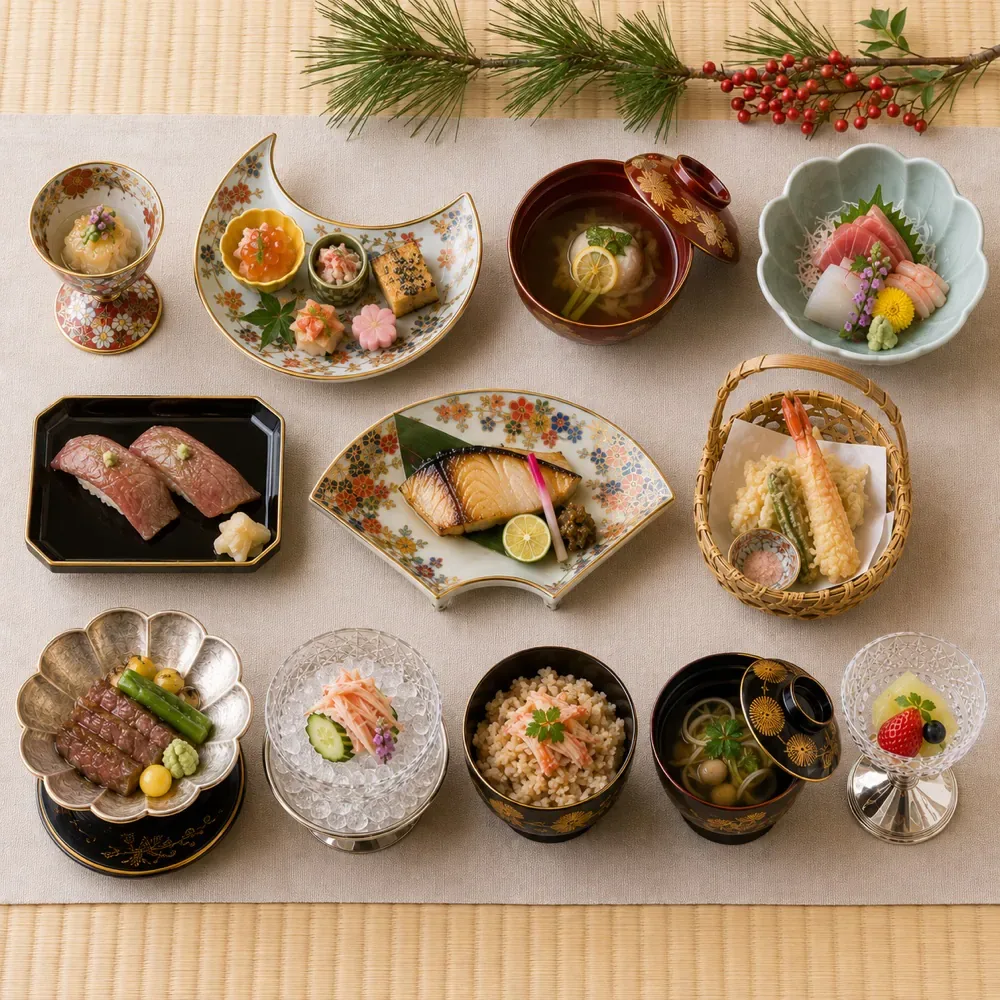
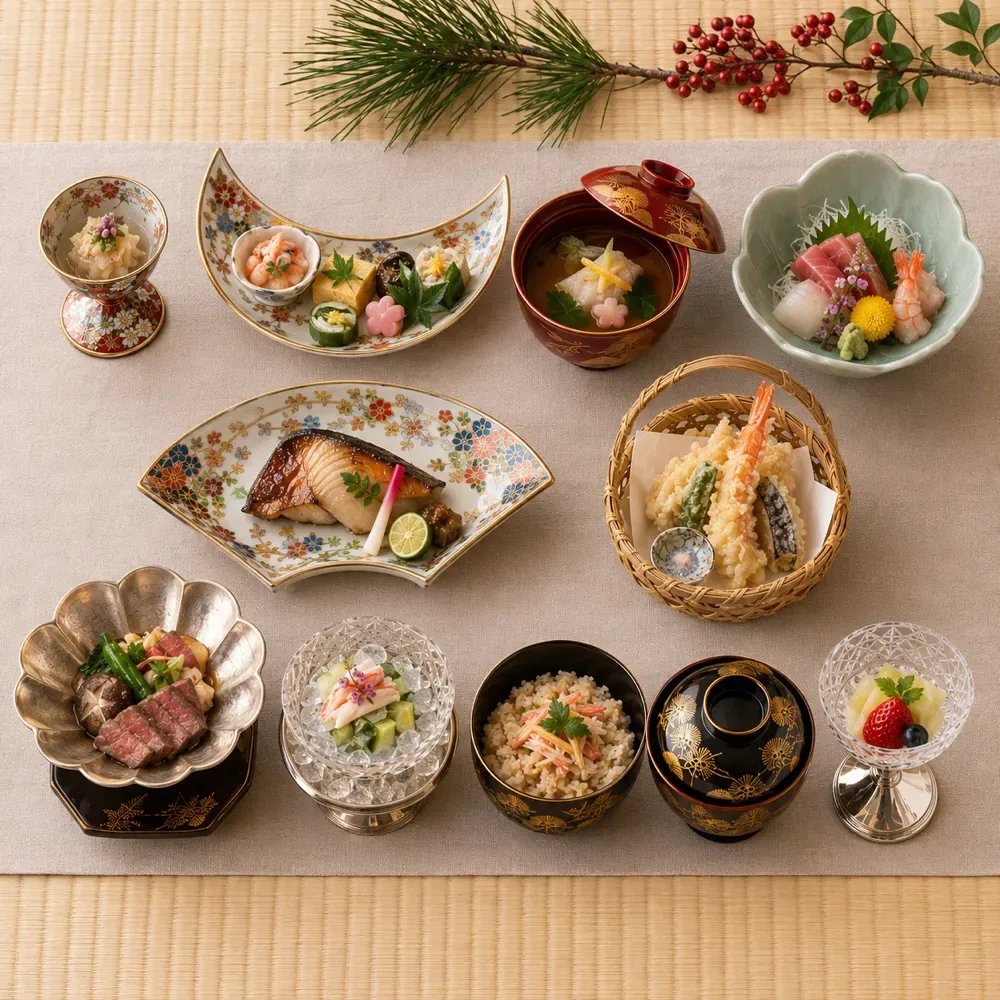
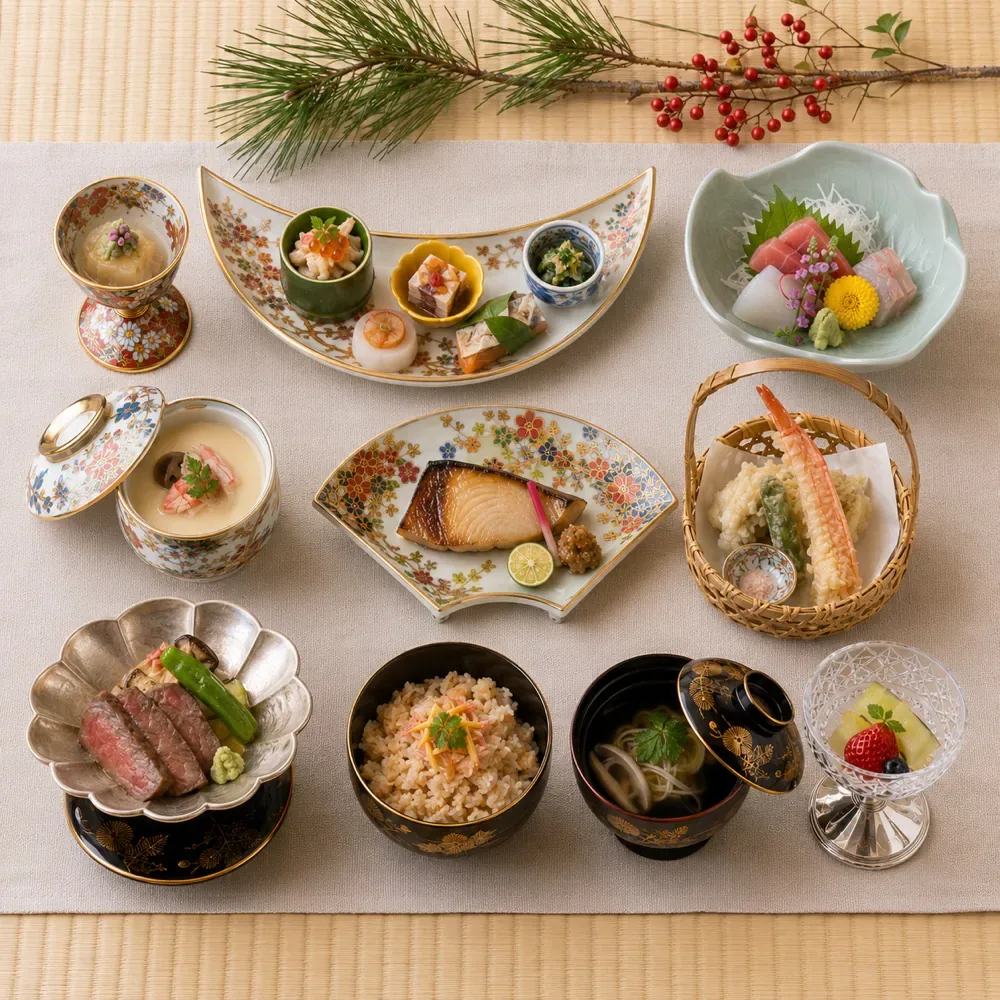
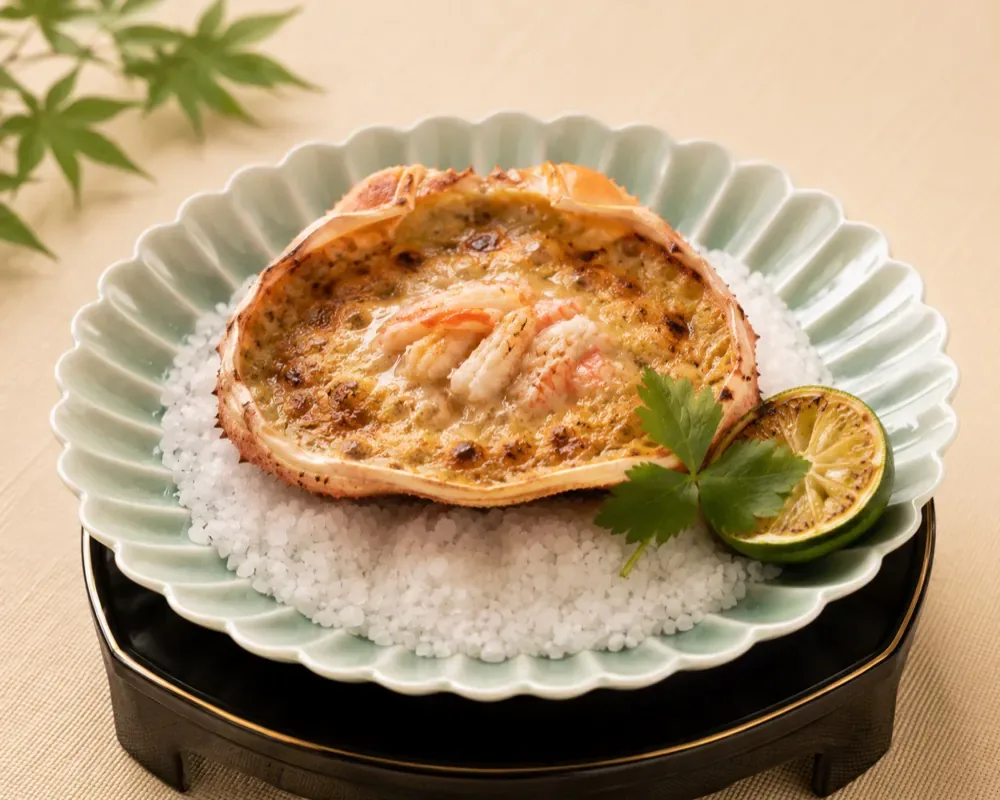
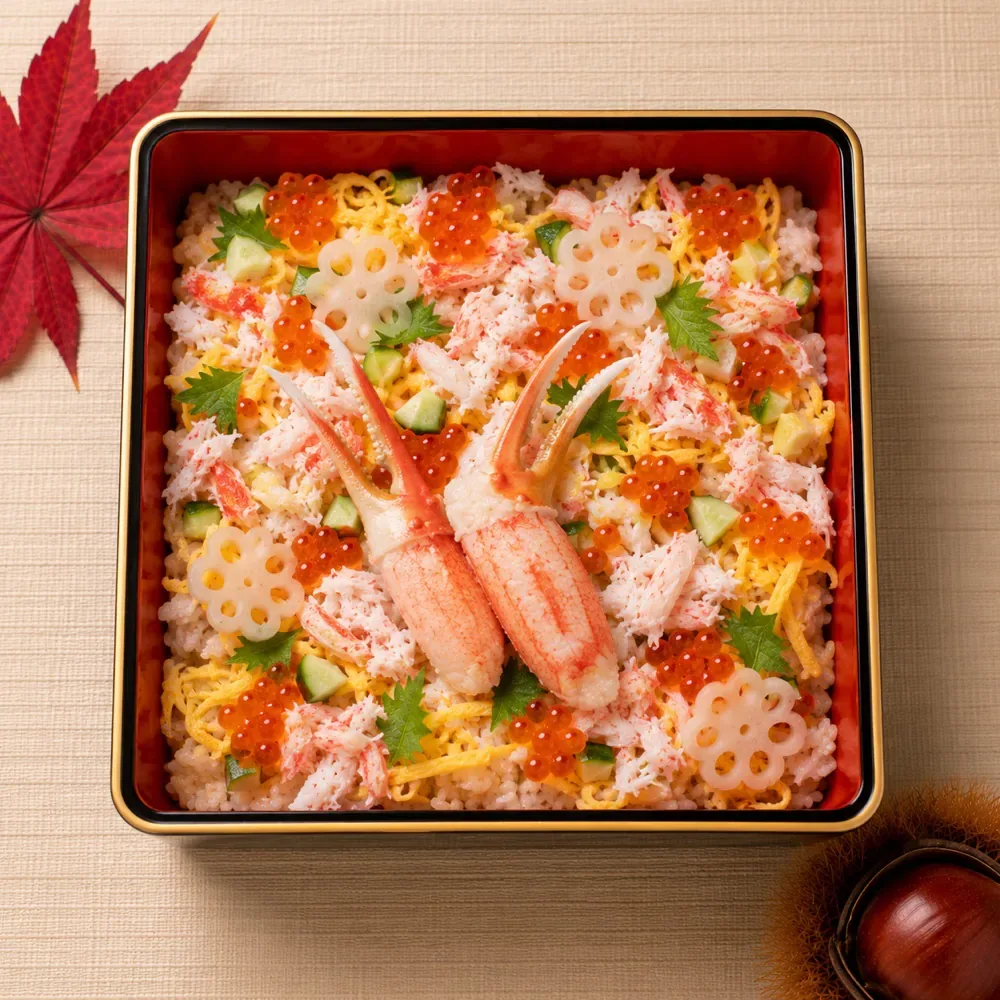
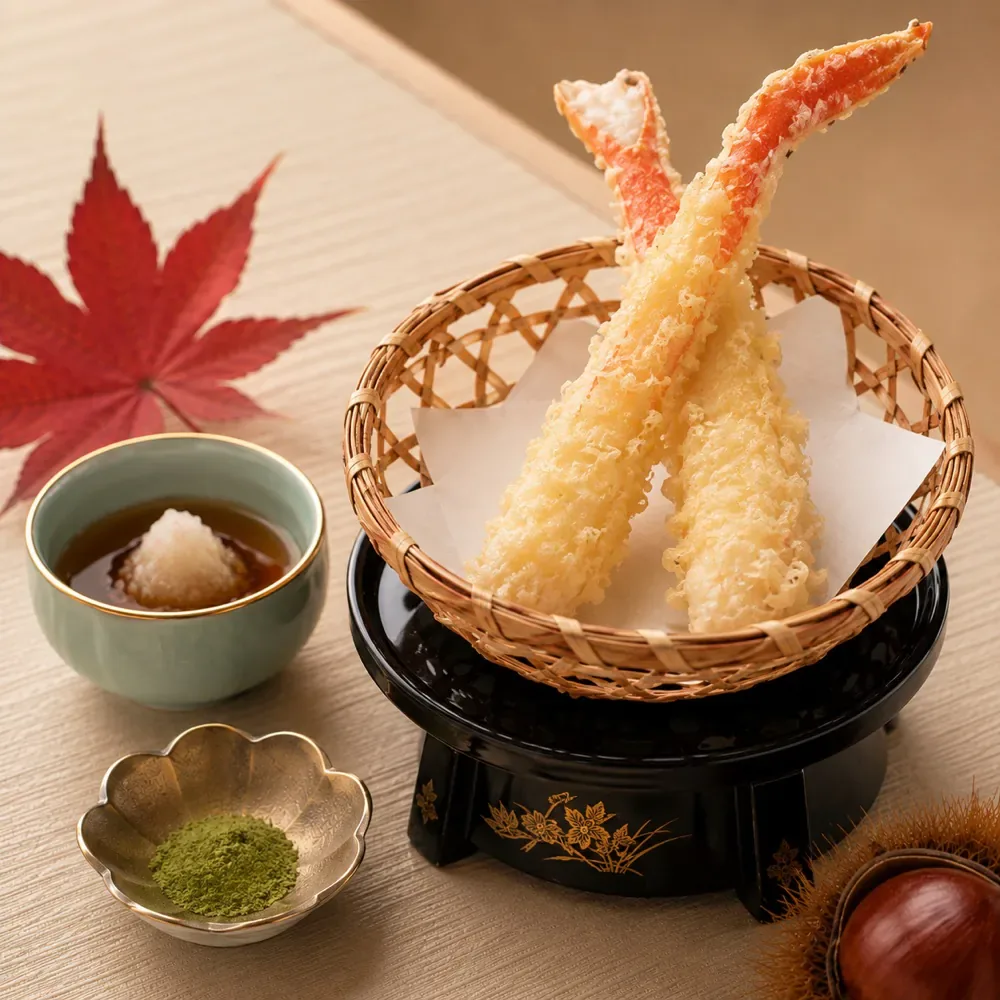
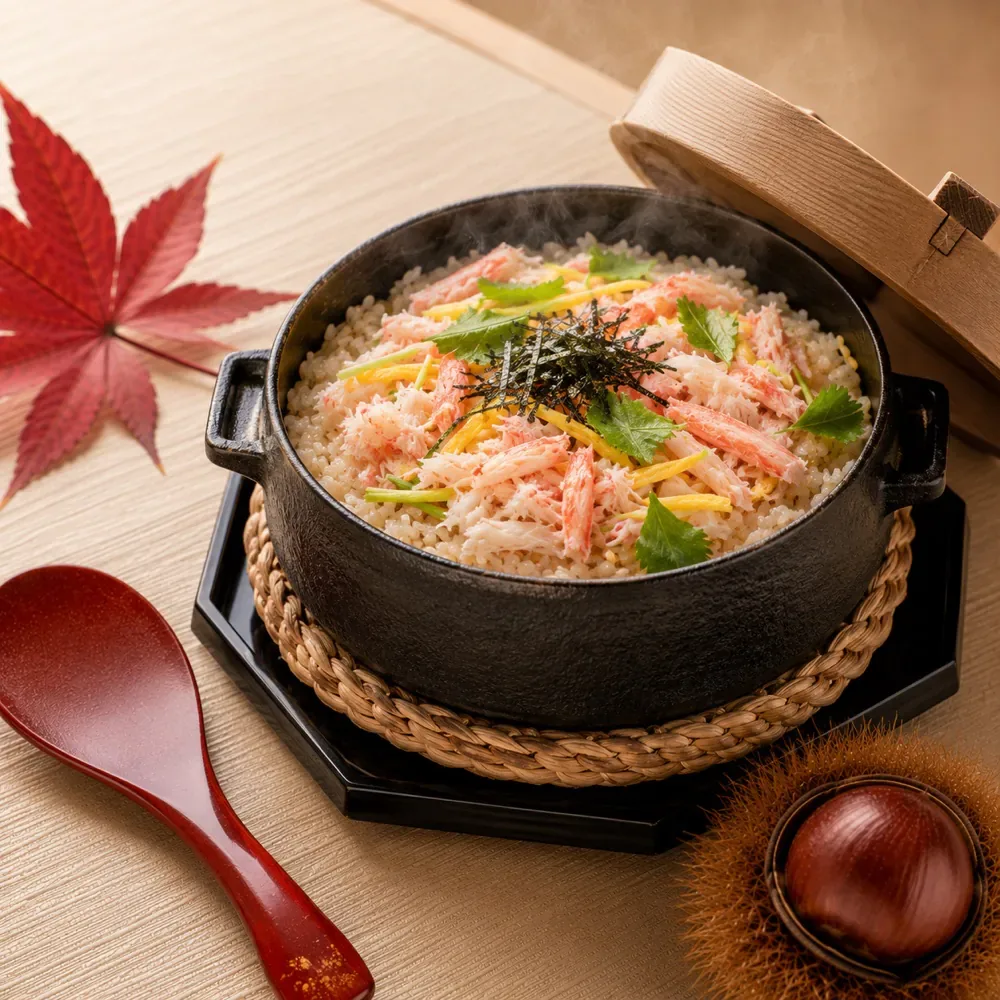
Snow crab carries the whole meal: a steamed crab dumpling, crab and vegetable tempura, a light shabu pot and claypot rice.
Concept
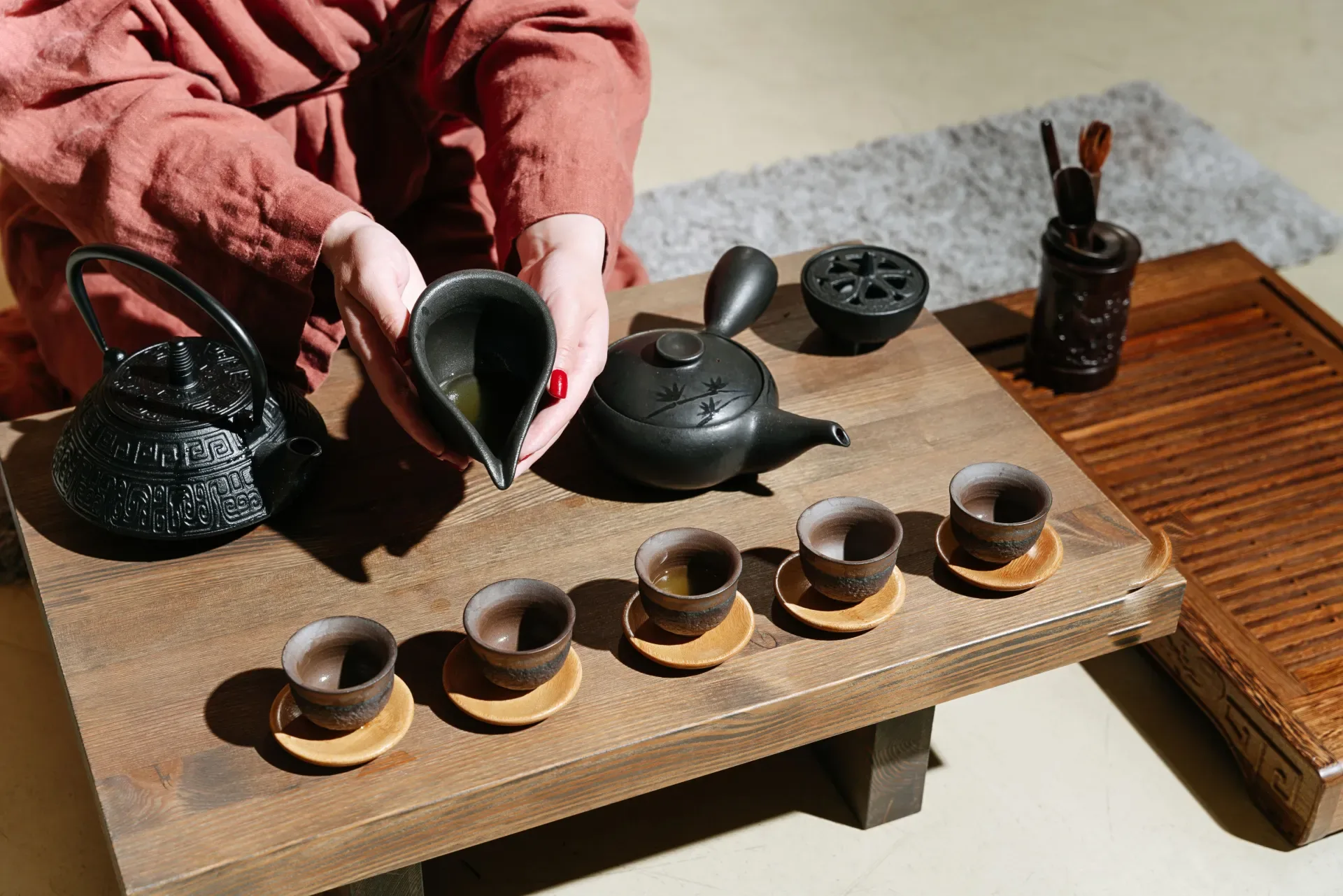
Kaiseki did not begin at court — it grew out of the 16th-century tea ceremony. Each course arrives as the last one ends: light before rich, cool before warm, and no dish repeating the method of the one beside it.
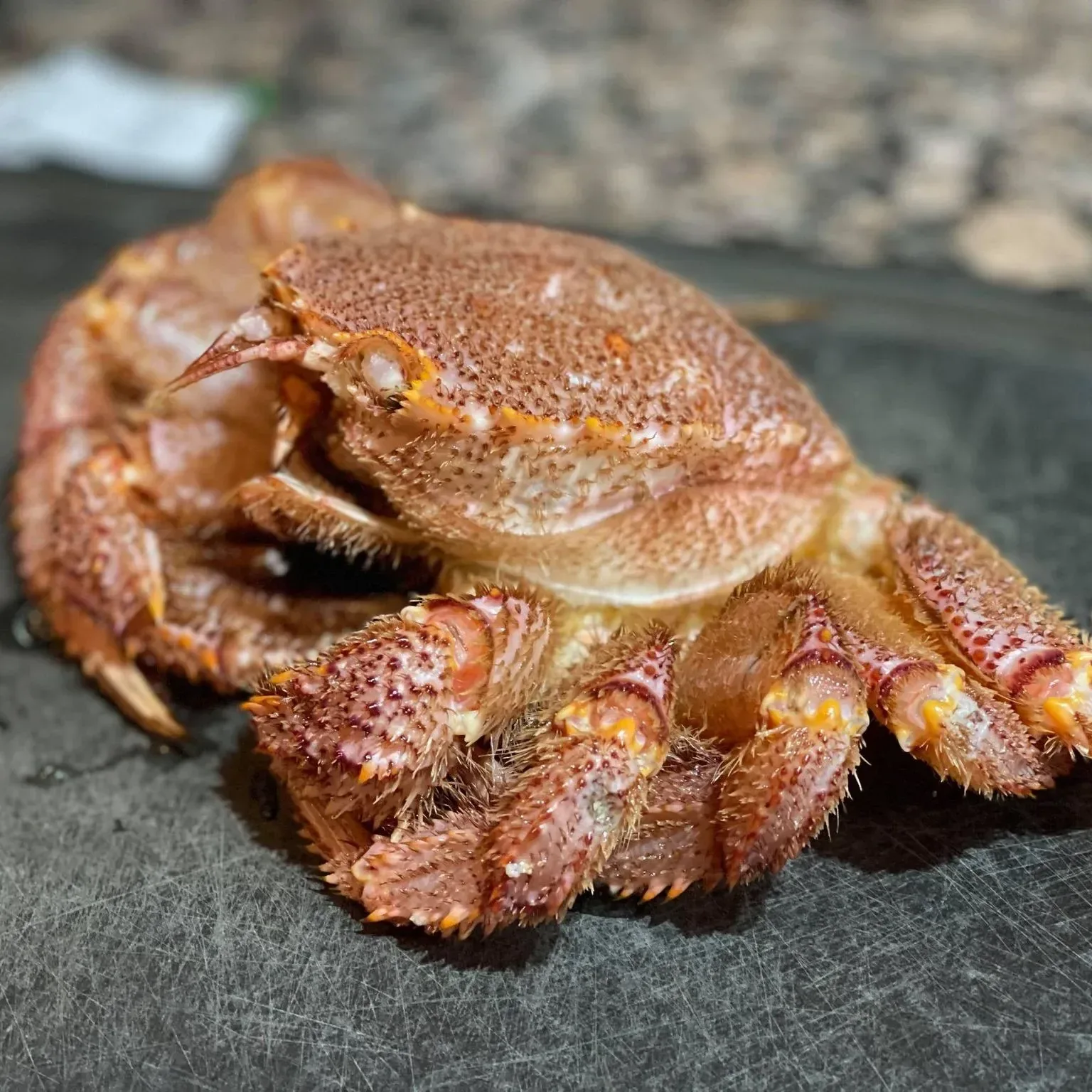
At Kani Sora that order is written around the crab of Hokkaidō’s northern sea — snow, king and horsehair crab. Whichever is best that month is what reaches the table.
The counter · 料理長
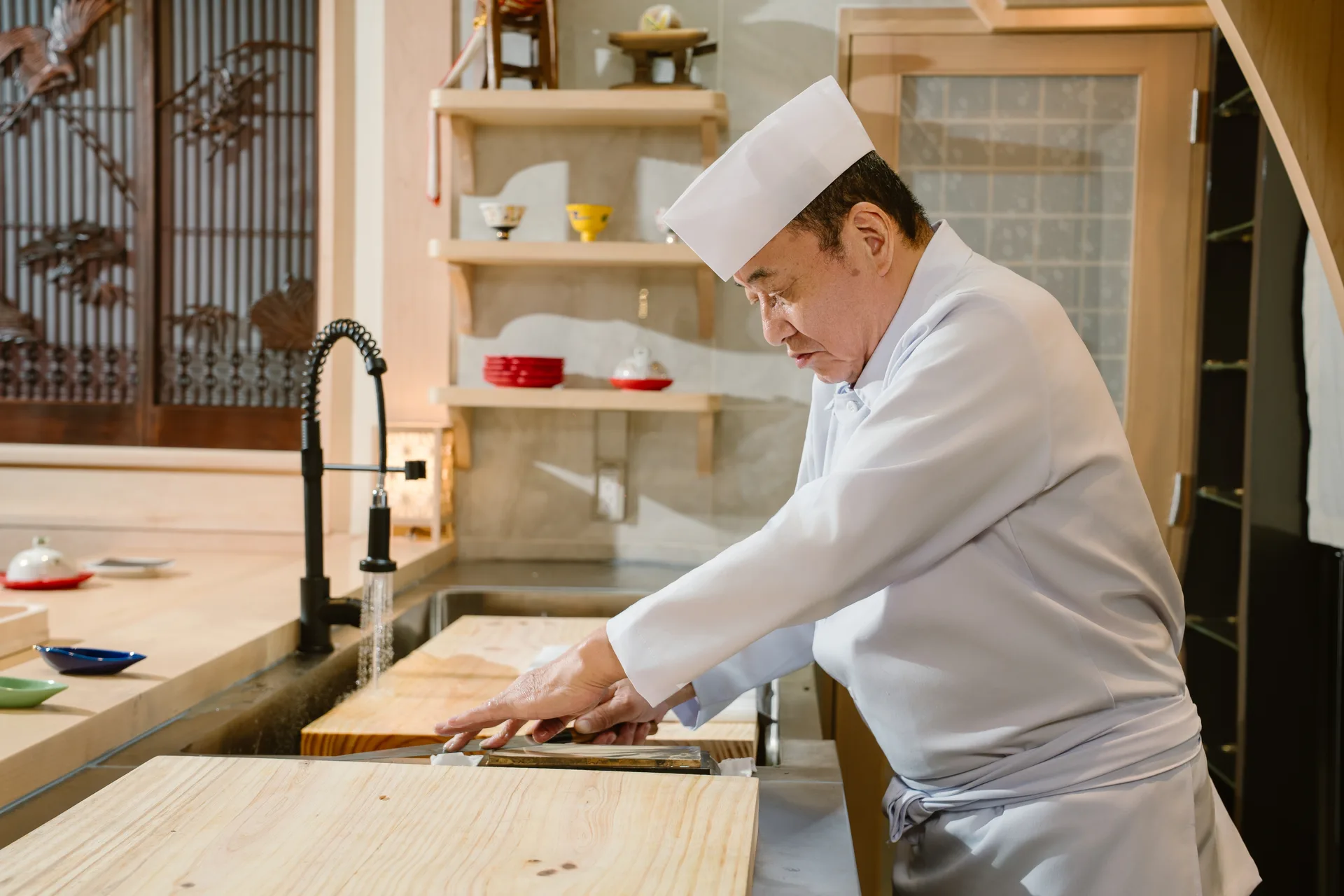
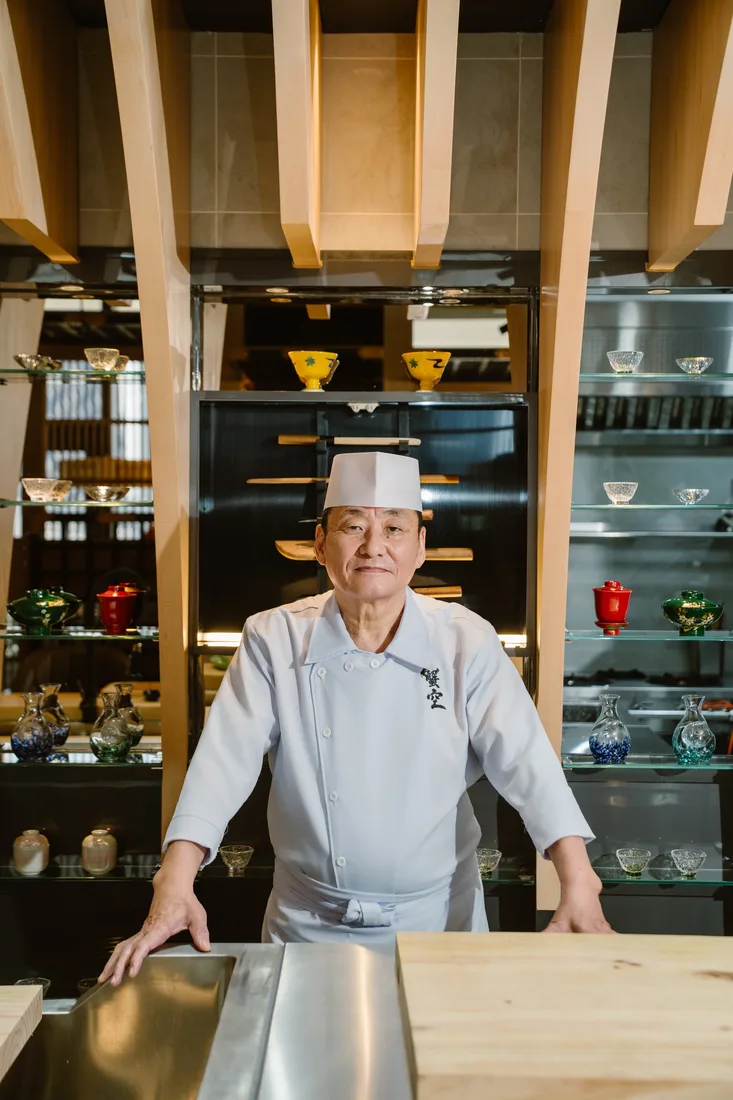
The kitchen at KANI SORA is led by Head Chef Nishiyama Kazuo, with a team of experienced Japanese chefs.
For his many years refining the craft of Japanese cuisine, and for his part in training the next generation of chefs, the Japan Federation of Culinary Associations awarded him the title 最高位名匠 (Saikōi Meishō): the federation’s highest title, given to master craftsmen of outstanding skill and achievement in the culinary arts.
Under Chef Nishiyama, every dish is tended from the choice of ingredient, through preparation and craft, to its presentation and the moment it is served. That precision at every stage is so that each dish reaches the guest at its fullest, in flavour, texture and temperature.
Heian spirit · 伝統
01
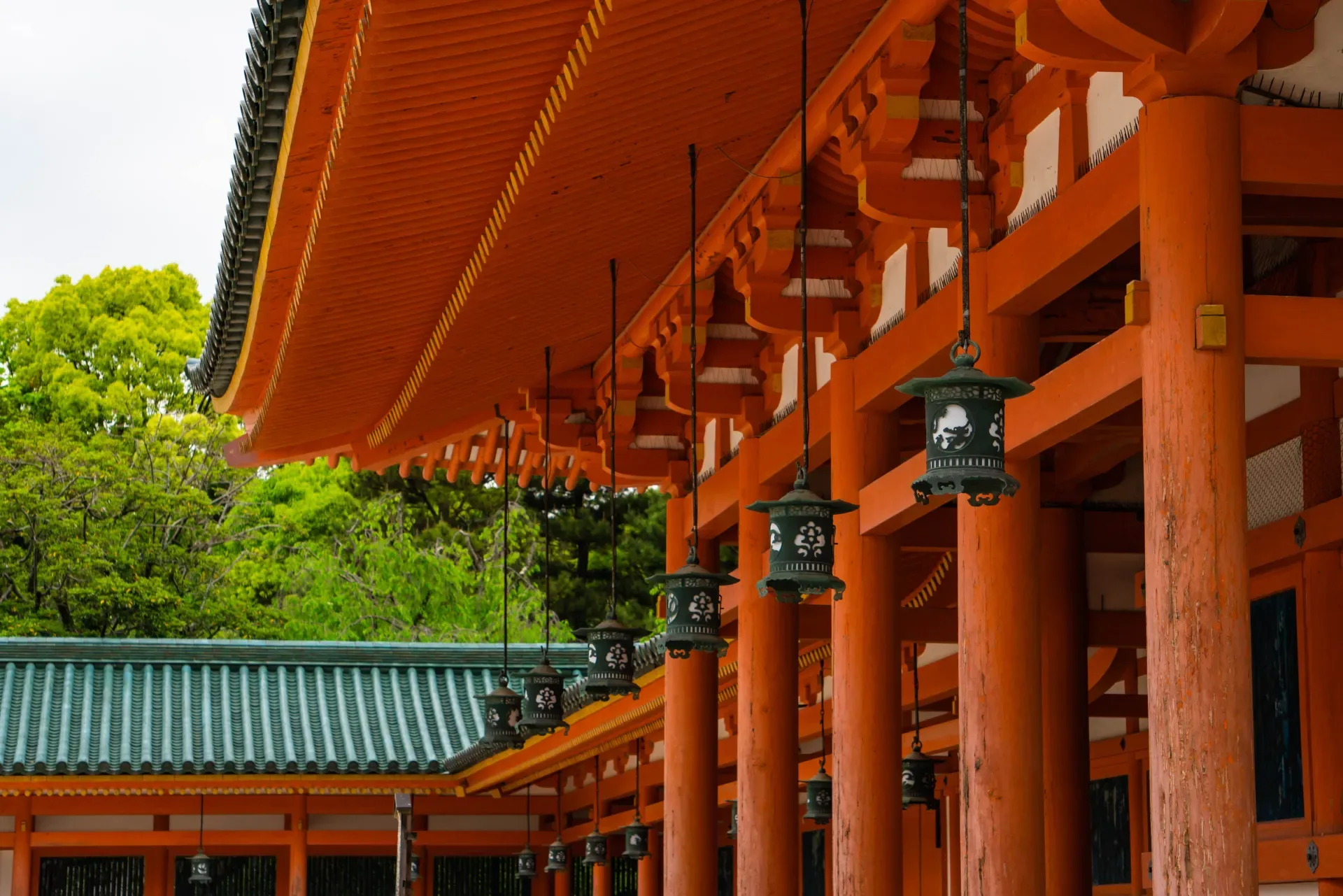
HEIAN · 794 – 1185
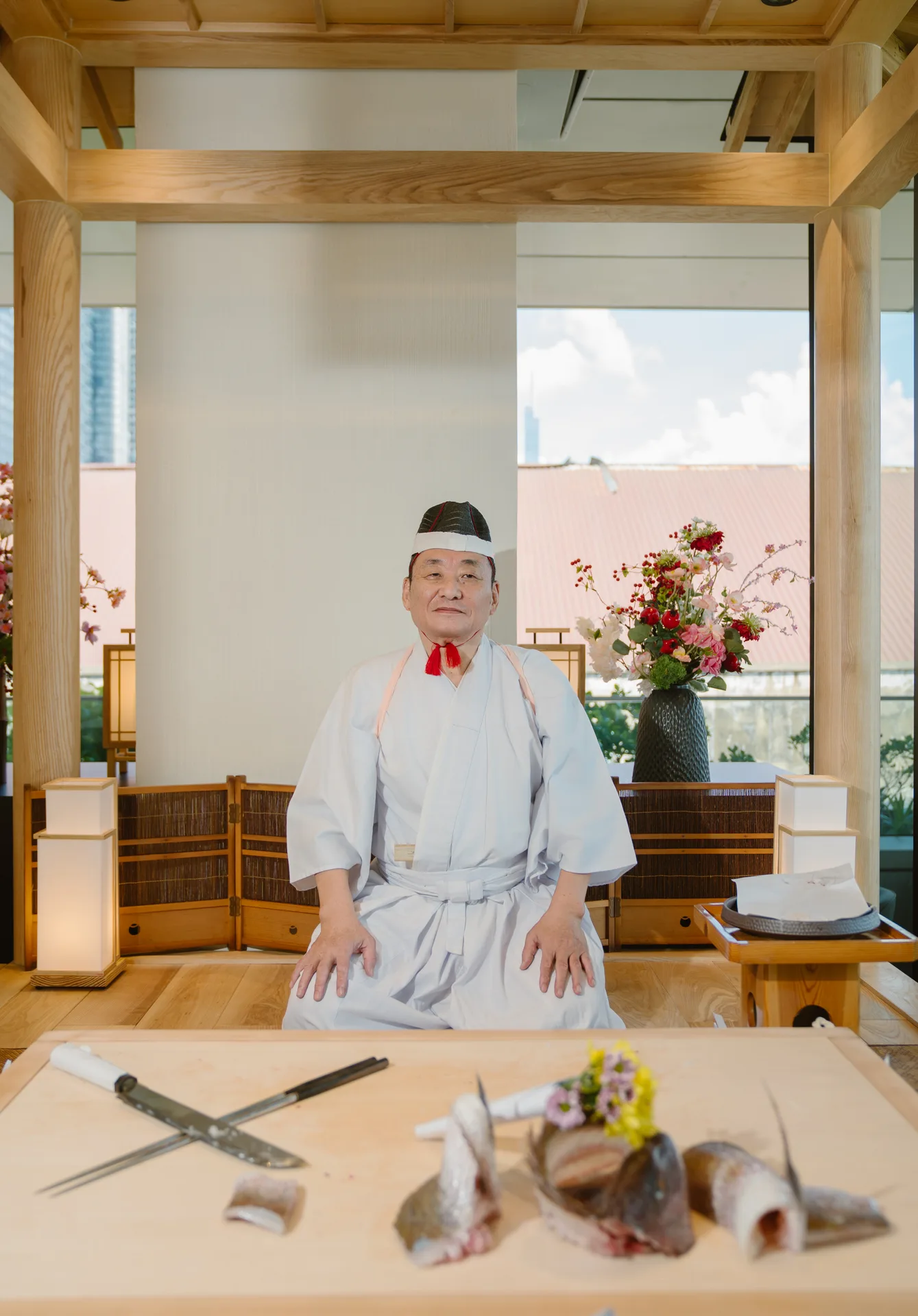
At the Heian court, preparing a fish was more than a cooking technique: it was raised into a formal rite, performed before the banquet. The master worked with a dedicated knife and chopsticks and never touched the ingredient by hand. Every cut showed skill, and also reverence for what land and sea had given, before it was offered to the table.
At KANI SORA, the spirit of hōchōshiki returns as part of the banquet, where the ingredient is honoured before it becomes a dish.
KANI SORA carries that spirit forward in its respect for the ingredient, for ritual, and for the precision of every movement.
02
THE WAY OF TEA · 1522 – 1591
As chanoyu grew, the light meal taken before tea took shape as cha-kaiseki: just enough, in season, restrained, and served in sequence.
That spirit laid the foundation of a cuisine that values the season, balance, and beauty in every detail.
03
EDO · 1603 – 1868
In the Edo period, the ryōtei brought kaiseki into the art of receiving guests: more generous dishes, still bound to rhythm, season and the order of service.
From a single meal, kaiseki became an experience made of food, space and the manners of welcome.
04
MEIJI · 1868 – 1912
From the Meiji era, beef gradually became common in Japanese cooking; Hyōgo would later become famous for Kobe beef.
In the same years, the northern seas around Hokkaidō became an important source of premium crab and seafood.
05
KANI SORA · 2026
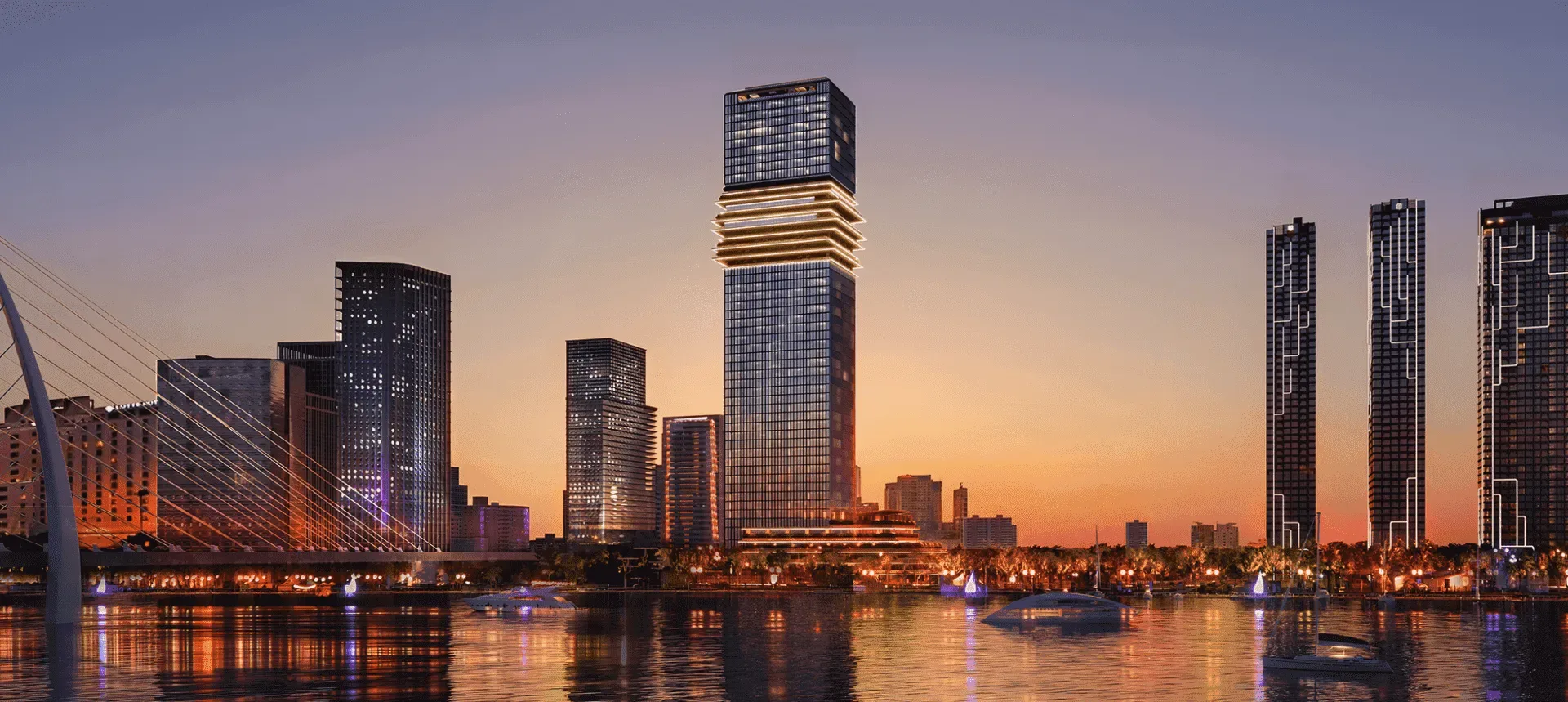
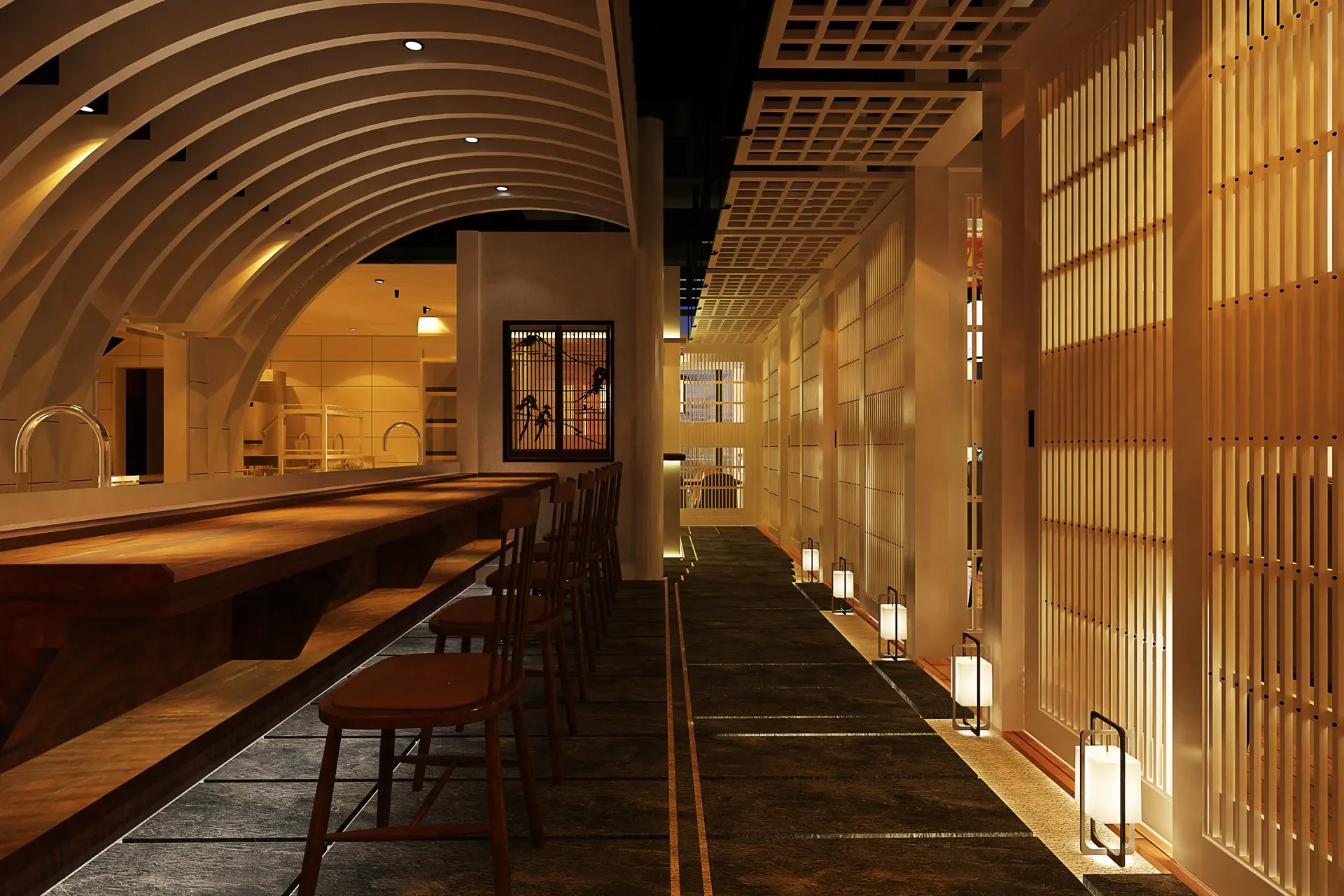
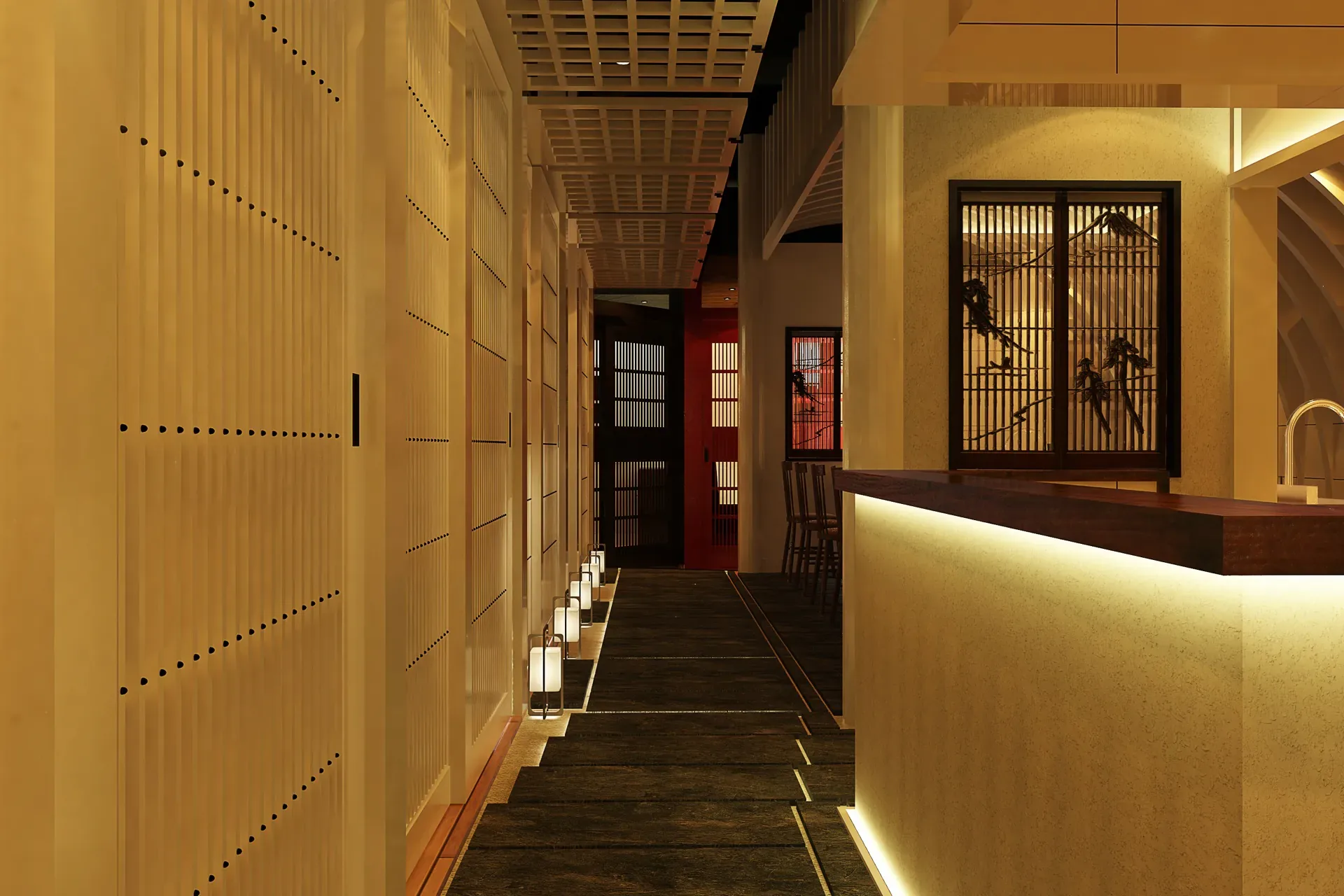
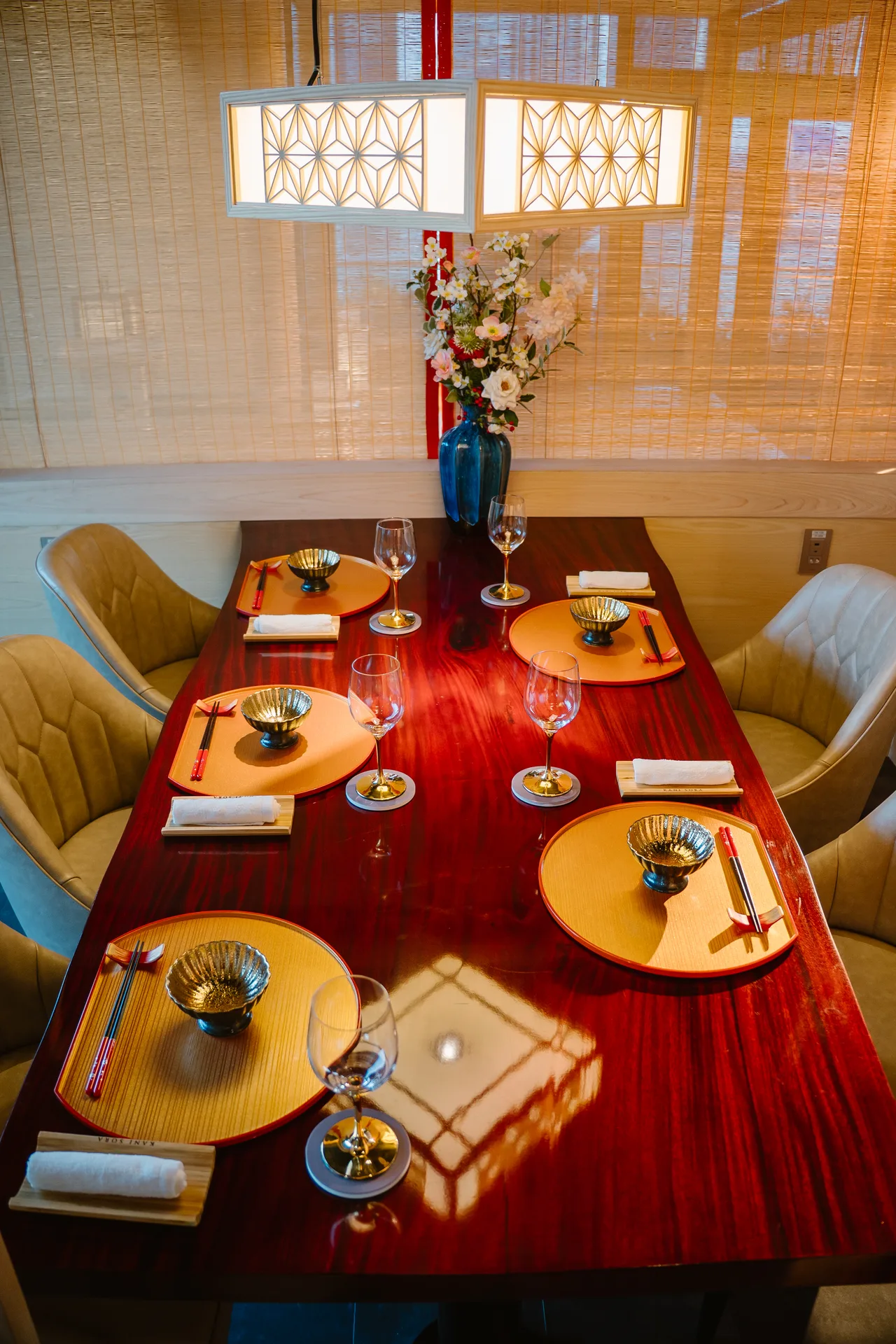
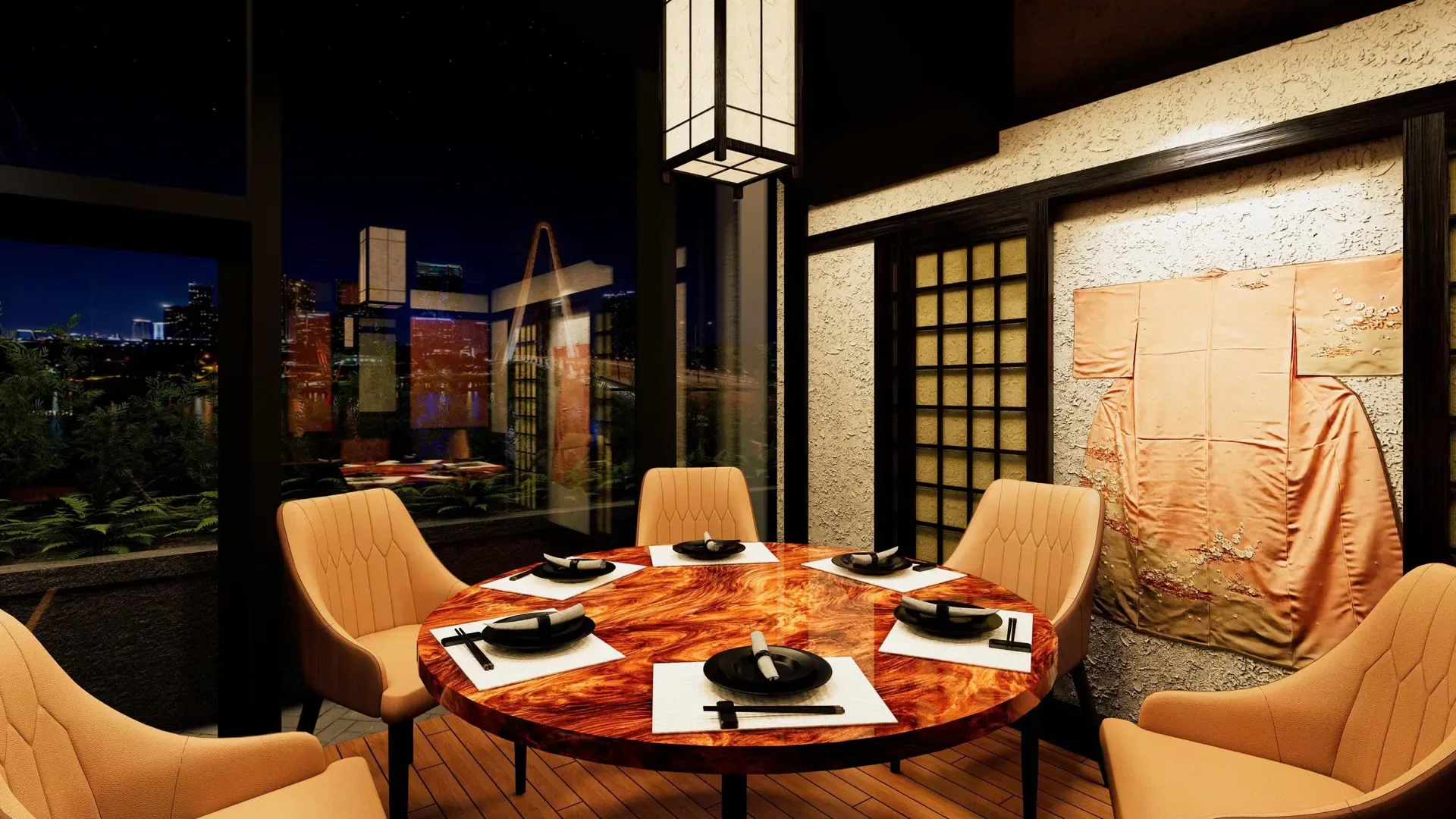
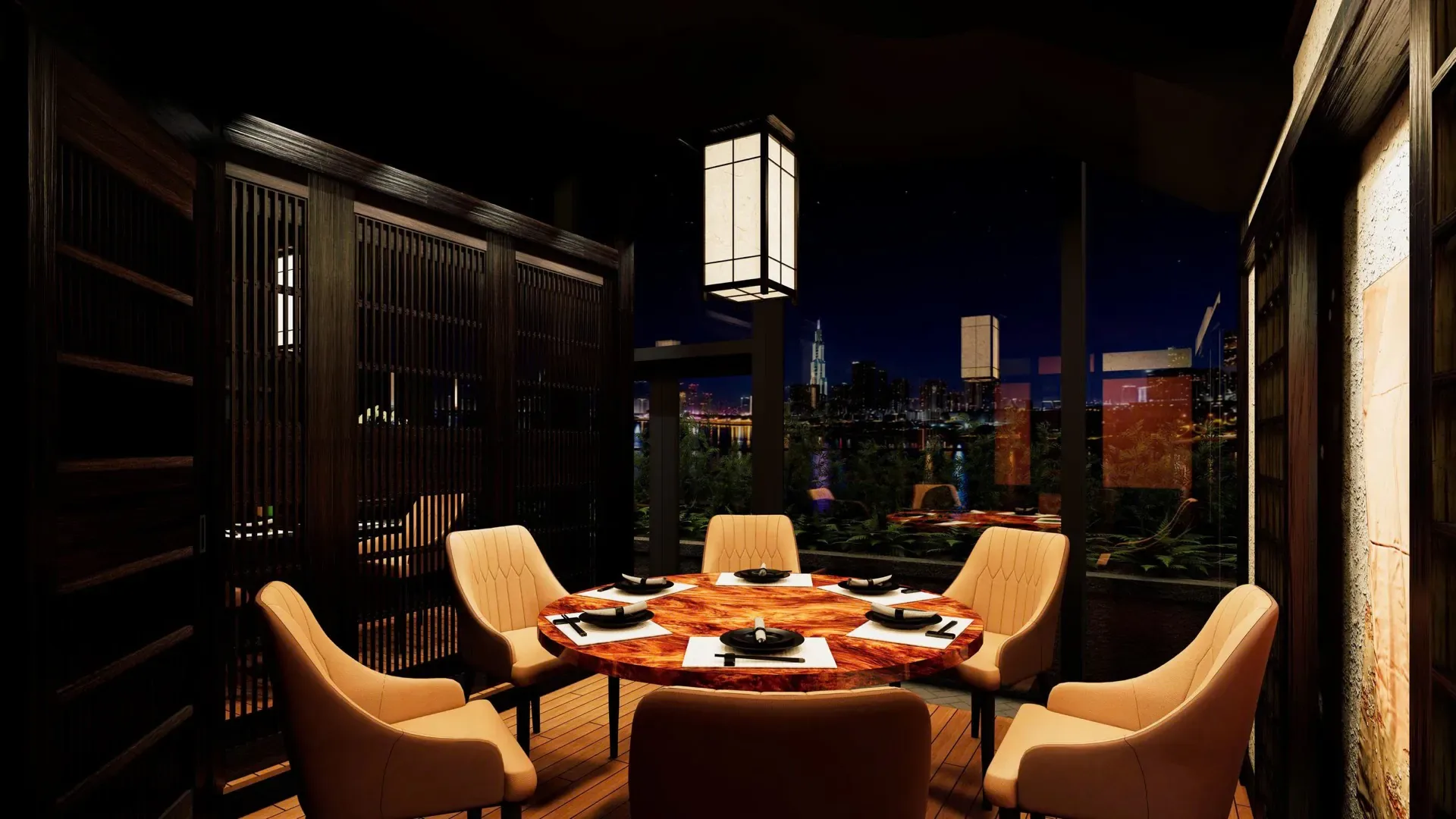
At Saigon Marina IFC, KANI SORA brings the spirit of Japan into a contemporary experience, where Heian architecture, the rituals of service and the culinary art of a Japanese kitchen come together as one.
Tradition here is not only recreated: it is felt in every ritual, every dish and every moment at the table.
Press to open the menu
.webp)
Visit
Unit L2-06, Level 2, Saigon Marina IFC 02 Ton Duc Thang, Sai Gon Ward, Ho Chi Minh City